Aquarium Plant Guide: A Comprehensive Overview
Aquarium plants transform a fish tank into a thriving ecosystem, enhancing beauty and water quality. This guide explores selecting, maintaining, and enjoying lush aquatic greenery.
Embarking on the journey of aquascaping with live plants opens a captivating new dimension to freshwater aquariums. For decades, hobbyists have discovered that a thriving planted tank is far more than just aesthetically pleasing; it’s a self-sustaining ecosystem mirroring natural aquatic environments. Unlike plastic decorations, live plants actively contribute to the health and balance of the aquarium, offering a multitude of benefits for both fish and the overall water quality.
Historically, keeping live plants was perceived as challenging, reserved for experienced aquarists. However, advancements in aquarium technology and a greater understanding of plant needs have made it accessible to beginners. Today, a wide variety of species cater to all skill levels, from hardy, low-maintenance options to more demanding varieties for experienced plant enthusiasts. The key lies in understanding the fundamental requirements of these underwater gardens – appropriate lighting, essential nutrients, and a suitable substrate.
This guide serves as a comprehensive introduction to the captivating world of aquatic plants, providing the knowledge and tools needed to create a stunning and flourishing underwater landscape. Prepare to discover the beauty and benefits of transforming your aquarium into a vibrant, living masterpiece.
Benefits of Live Plants in Aquariums
The inclusion of live plants in an aquarium extends far beyond mere aesthetics, offering a wealth of ecological benefits. Primarily, plants act as natural filters, absorbing nitrates – a byproduct of fish waste – and converting them into usable nutrients, thus improving water quality and reducing the frequency of water changes. This biological filtration contributes to a more stable and healthier environment for aquatic life.
Furthermore, plants oxygenate the water through photosynthesis, crucial for fish respiration and overall aquarium health. They also provide shelter and breeding grounds for smaller fish, shrimp, and fry, mimicking their natural habitats and reducing stress. Certain plants even release beneficial substances that inhibit the growth of harmful algae, offering a natural form of algae control.
Beyond the biological advantages, live plants significantly enhance the visual appeal of an aquarium, creating a more natural and calming environment. A well-planted tank offers a dynamic and ever-changing landscape, providing a focal point and a sense of tranquility. Ultimately, incorporating live plants elevates the aquarium experience, fostering a thriving and beautiful underwater world.
Understanding Aquarium Plant Lighting
Aquarium plant lighting is a critical factor in successful growth, as it fuels photosynthesis – the process by which plants create energy. The intensity and spectrum of light directly impact plant health, color, and growth rate. A general guideline suggests a minimum of 2 watts per gallon (4.54 liters) of tank volume, though 4 or more watts per gallon is preferable for demanding species.
Different plants have varying light requirements. Low-light plants, like Anubias and Java Fern, can thrive with less intense illumination, while high-light plants, such as those requiring CO2 injection, demand stronger lighting. LED fixtures are increasingly popular due to their energy efficiency, customizable spectrums, and long lifespan.
Photoperiod – the duration of light exposure – is also important. Typically, 8-12 hours of light per day is sufficient, but limiting light to 4-6 hours during initial plant establishment can help control algae growth. Avoid direct sunlight, as it can cause excessive algae blooms and temperature fluctuations. Regularly replacing bulbs or adjusting LED settings ensures optimal light output for vibrant, healthy plants.
Essential Nutrients for Plant Growth
Aquarium plants, like all plants, require a range of nutrients to flourish. Macronutrients – nitrogen (N), phosphorus (P), and potassium (K) – are needed in larger quantities and are crucial for overall growth, leaf development, and root health. These are often supplied through fish waste and decomposition, but supplementation is frequently necessary, especially in heavily planted tanks.
Micronutrients, including iron (Fe), manganese (Mn), and zinc (Zn), are required in smaller amounts but are equally vital for various plant processes, such as chlorophyll production and enzyme activation. Deficiencies in these nutrients can manifest as yellowing leaves, stunted growth, or discoloration.
Liquid fertilizers are a convenient way to deliver these essential nutrients. A weekly dose of 1 squirt per 10 gallons is suitable for low-tech tanks, increasing to twice weekly for high-tech setups. Root tabs provide nutrients directly to the roots, benefiting plants that primarily feed this way. Regularly monitoring plant health and adjusting fertilization accordingly ensures optimal nutrient levels and vibrant growth.
Substrate Selection for Healthy Plants
The aquarium substrate plays a pivotal role in plant health, providing anchorage for roots and a source of nutrients. Gravel is a common choice, aesthetically pleasing and readily available, but offers limited nutritional value. Sand is another option, favored by certain fish and plants, but can compact easily, hindering root development.
For planted tanks, nutrient-rich substrates are highly recommended. These substrates contain essential minerals and trace elements that plants absorb through their roots, promoting vigorous growth. Active substrates, like aquasoil, lower pH and buffer water chemistry, creating an ideal environment for demanding plants.
Inert substrates, such as gravel or sand, can be supplemented with root tabs, providing localized nutrient delivery. Layering a nutrient-rich substrate beneath a cap of gravel or sand combines aesthetic appeal with plant nourishment. The ideal substrate depends on the plant species and the overall tank setup, balancing plant needs with fish preferences and water parameters.
CO2 Injection: Boosting Plant Development
Carbon dioxide (CO2) is essential for photosynthesis, the process plants use to create energy. In many aquariums, CO2 levels are insufficient to support optimal plant growth, limiting their potential. CO2 injection introduces supplemental CO2 into the water, dramatically enhancing plant development and vibrancy.
Several CO2 injection methods exist, ranging from simple DIY systems to sophisticated pressurized setups. Liquid carbon supplements offer a convenient alternative, though generally less effective than pressurized CO2. Pressurized systems utilize a CO2 tank, regulator, and diffuser to dissolve CO2 into the water;
Monitoring CO2 levels is crucial for success. A drop checker, containing a pH-sensitive indicator, provides a visual indication of CO2 concentration. Maintaining a consistent CO2 level, typically between 30-50 ppm, promotes healthy plant growth while avoiding harm to fish and invertebrates. Proper CO2 injection, combined with adequate lighting and nutrients, unlocks the full potential of a planted aquarium.
Beginner-Friendly Aquarium Plants
Starting a planted aquarium can seem daunting, but numerous plants thrive with minimal care, making them perfect for beginners. Selecting hardy species increases the likelihood of success and fosters a rewarding experience. These plants are generally adaptable to a range of water parameters and lighting conditions.
Good choices include Java Fern, Anubias, and Java Moss – all known for their resilience and low maintenance requirements. These plants don’t typically require CO2 injection or specialized substrates, simplifying the setup process. They readily attach to driftwood or rocks, adding a natural aesthetic to the tank.
As Dr. Lena Torres suggests, matching plant species to your tank’s capabilities prevents frustration. Beginners should focus on establishing a stable environment before introducing more demanding plants. Consistent water changes and basic fertilization will support the growth of these beginner-friendly options, creating a beautiful and thriving underwater landscape.
Anubias Plants: A Low-Maintenance Choice
Anubias plants are renowned for their exceptional hardiness and adaptability, making them a staple for both novice and experienced aquascapers. Originating from West Africa, these rhizomatous plants thrive in a variety of water conditions and tolerate low lighting, minimizing the need for intense illumination.
A key characteristic of Anubias is their slow growth rate, which translates to less frequent trimming and maintenance. They are particularly well-suited for attaching to driftwood or rocks, as burying the rhizome can lead to rot. Several varieties exist, differing in leaf shape and size, offering aesthetic versatility.
These plants are incredibly forgiving and can even survive in less-than-ideal water parameters. They don’t require CO2 supplementation or specialized substrates, simplifying aquarium setup. Anubias provides shelter for fish and invertebrates, contributing to a balanced ecosystem. Their robust nature ensures long-term beauty with minimal effort.
Java Fern: Versatile and Hardy
Java Fern (Microsorum pteropus) is a remarkably adaptable and resilient plant, frequently recommended for beginner aquariums. Native to Southeast Asia, it exhibits exceptional tolerance to a wide range of water parameters and lighting conditions, making it a forgiving choice for aquascapers.
Like Anubias, Java Fern possesses rhizomes – horizontal stems – and thrives when attached to driftwood or rocks. Burying the rhizome will likely result in decay. Its broad, lance-shaped leaves provide excellent cover for smaller fish and shrimp, creating a more secure environment within the tank.
Java Fern is undemanding in terms of fertilization and doesn’t require CO2 injection to flourish. It propagates easily through the development of plantlets on its leaves, allowing for natural expansion within the aquarium. Several cultivars offer variations in leaf shape and size, enhancing design possibilities. Its hardiness and ease of care make it a consistently popular selection.
Java Moss: Excellent for Shrimp and Fry
Java Moss (Taxiphyllum barbieri) is a highly versatile and beneficial plant, particularly prized for its role in supporting delicate aquarium inhabitants. Its fine, feathery structure creates a dense, protective haven for shrimp, fry (baby fish), and other small creatures, offering refuge from predation and a surface for biofilm growth – a natural food source.
This moss is incredibly adaptable, thriving in a broad spectrum of water conditions and light levels. It doesn’t require CO2 supplementation or specialized substrates, making it ideal for both beginner and experienced aquarists. Java Moss readily attaches to driftwood, rocks, and other decorations, adding a natural aesthetic to the aquarium.
Maintenance is simple; occasional trimming helps maintain its shape and prevents it from overgrowing. It’s also a useful plant for absorbing nitrates, contributing to improved water quality. Its ability to provide shelter and sustenance makes it an invaluable addition to breeding tanks and shrimp-focused setups.
Bucephalandra: Unique and Attractive
Bucephalandra plants, often called “Buce” by hobbyists, are a captivating genus of rhizomatous aquatic plants originating from Southeast Asia. They’re celebrated for their diverse leaf shapes, textures, and colors, ranging from deep greens to reddish-bronze hues, adding a unique aesthetic to any aquarium landscape. Unlike many plants, Bucephalandra generally doesn’t require high lighting or CO2 injection to thrive, making them accessible to a wider range of aquarists.
These plants are best attached to hardscape like driftwood or rocks using thread or super glue gel (aquarium safe!). They don’t root into the substrate, instead anchoring themselves to surfaces. Bucephalandra are slow growers, meaning less frequent trimming is needed, and they are relatively unfazed by fluctuations in water parameters.
Their resilience and striking appearance make them a popular choice for both beginner and advanced planted tank enthusiasts. Exploring the numerous species within the Bucephalandra genus offers endless possibilities for creating a visually stunning and naturally inspired aquarium.
Attaching Plants to Wood and Stone
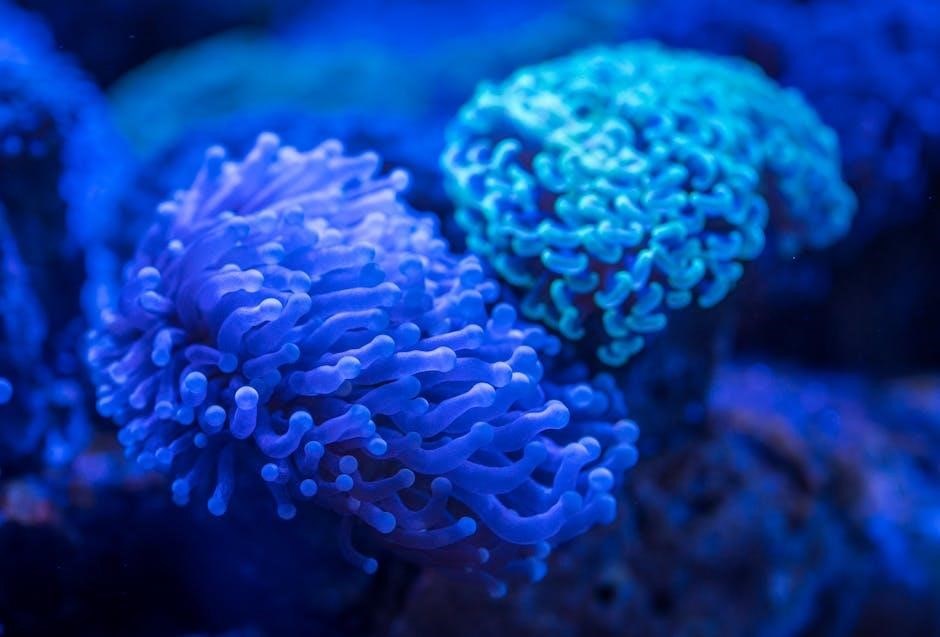
Many beautiful aquarium plants, like Anubias, Bucephalandra, and Java Fern, don’t require planting in the substrate. Instead, they thrive when attached to driftwood or rocks, mimicking their natural riverine habitats. This method also opens up creative hardscape design possibilities, allowing you to build stunning underwater landscapes.
Several techniques exist for secure attachment. Cotton thread is a gentle, temporary option, allowing the plant to establish roots before the thread degrades. Super glue gel (specifically formulated for aquariums – crucial!) provides a faster, more permanent bond. Carefully apply a small amount to the rhizome or leaves, then press firmly onto the wood or stone.
Avoid burying the rhizome (the horizontal stem) as this will cause it to rot. The roots will eventually attach themselves, and the plant will draw nutrients from the water column. Regularly inspect the attachment points to ensure the plant remains secure, especially during initial establishment. This technique enhances the natural aesthetic and promotes healthy plant growth.
Foreground Plants for a Natural Look
Foreground plants are essential for creating a realistic and visually appealing aquarium landscape. They mimic the grassy areas found in natural aquatic environments, adding depth and scale to your tank. Selecting the right foreground plants depends on your tank’s size, lighting, and CO2 setup.
Popular choices include Dwarf Hairgrass (Eleocharis parvula), which forms a dense, carpet-like lawn, and Monte Carlo (Micranthemum ‘Monte Carlo’), known for its rapid growth and small leaves. For lower-tech tanks, consider Marsilea hirsuta, a resilient plant that spreads via runners. These plants require careful trimming to maintain a neat appearance and prevent them from overshadowing other plants.
Proper substrate is crucial for foreground plants. A nutrient-rich substrate, like aquasoil, provides the necessary nutrients for healthy growth. Adequate lighting is also vital, as these plants often require intense illumination to thrive. Regular fertilization will further support their development, resulting in a lush and vibrant foreground.
Background Plants for Depth and Coverage
Background plants are crucial for establishing a sense of depth and providing cover within your aquarium. They create a natural backdrop, making the tank appear larger and more immersive. These plants should be tall-growing and relatively fast-spreading to effectively fill the rear of the aquarium.
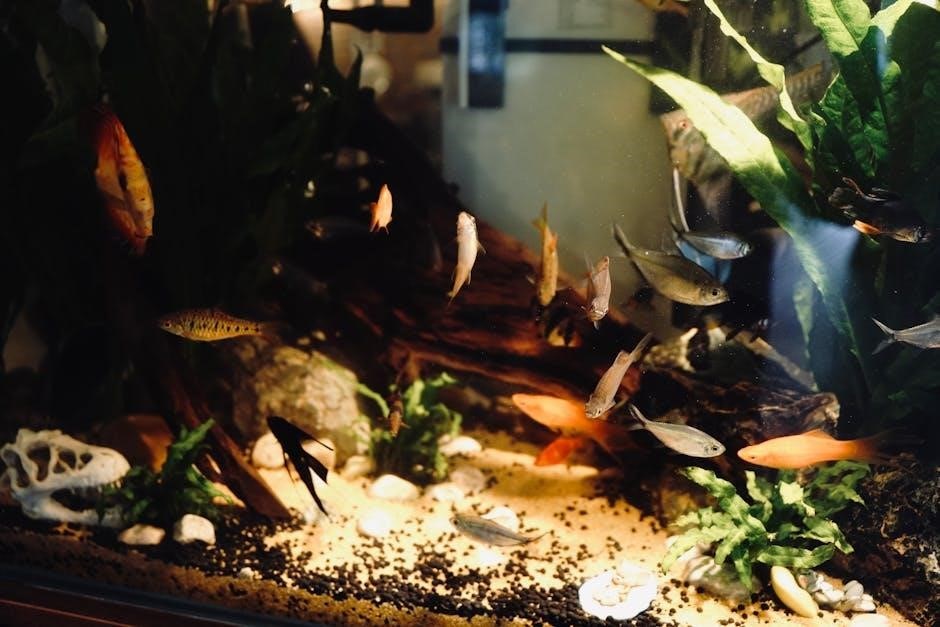
Vallisneria species, often called eelgrass, are excellent choices due to their long, ribbon-like leaves and ease of care. Ludwigia repens, with its reddish hues, adds a splash of color and visual interest. For a more robust background, consider Rotala rotundifolia, which thrives with CO2 supplementation and bright lighting.
When planting, space the background plants strategically to allow for growth and prevent overcrowding. Regular trimming is essential to maintain the desired height and shape, and to ensure sufficient light reaches lower-level plants. A nutrient-rich substrate and consistent fertilization will promote healthy growth and vibrant coloration, completing the natural aesthetic.
Algae Control and Plant Maintenance
Maintaining a healthy, balanced aquarium is key to controlling algae and ensuring thriving plants. Algae blooms often indicate an imbalance – typically excess nutrients or too much light. Regular water changes (25-50% weekly) help remove excess nutrients and replenish essential minerals.
Plant maintenance involves regular trimming to remove dead or decaying leaves, preventing the buildup of organic waste. Pruning also encourages bushier growth and maintains the desired shape. Fertilization is crucial, but avoid over-fertilizing, as this fuels algae growth. Liquid fertilizers provide essential micronutrients.
Introduce algae-eating creatures like snails or shrimp to help keep surfaces clean. Limiting light exposure to 8-10 hours daily can also curb algae. Consistent observation is vital; address issues promptly to prevent them from escalating. A balanced ecosystem, achieved through diligent maintenance, is the best defense against algae and the foundation for a flourishing planted aquarium.